The Spiritual Side of Recovery: Mindfulness, Meaning, and the Journey Beyond Sobriety


The Spiritual Side of Recovery: Mindfulness, Meaning, and the Journey Beyond Sobriety
When we talk about addiction recovery in clinical terms, we talk about brain chemistry, behavior change, medication, and therapy. These are essential — the neurobiological and psychological foundations without which sustained recovery is impossible. But there is a dimension of recovery that the clinical language doesn't fully capture: the dimension of meaning, purpose, connection, and in some people's experience, the spiritual.
This isn't mystical territory. It's increasingly supported by research — and it's one of the most important factors distinguishing people who achieve long-term, flourishing recovery from those who achieve abstinence but remain fundamentally unhappy and at risk.
Recovery is possible — we're here to guide you.
From first call to long-term aftercare, our admissions team walks with you through every step of the process.
Why Meaning Matters in Recovery
One of the most powerful insights from addiction research is what researchers call positive recovery capital — the positive resources a person has for building and sustaining recovery. The traditional clinical model focuses on reducing deficits: treating withdrawal, managing mental illness, addressing trauma. These are necessary but not sufficient.
Long-term recovery is also built by adding positive elements that make sobriety not just tolerable but genuinely preferable to the life of active addiction. Viktor Frankl — the psychiatrist and Holocaust survivor who developed logotherapy — wrote that humans can endure almost any "how" if they have a strong enough "why." This principle applies powerfully in recovery:
People who have compelling reasons to stay sober — work they find meaningful, relationships they value, contributions they're making, an identity they're proud of — are dramatically more likely to sustain recovery than people who are merely abstinent.
Mindfulness in Recovery: More Than Relaxation
Mindfulness — present-moment awareness without judgment — has become central to evidence-based addiction treatment through modalities including DBT, Mindfulness-Based Relapse Prevention (MBRP), and Acceptance and Commitment Therapy (ACT). But its role in recovery extends beyond its clinical applications.
Regular mindfulness practice in recovery:
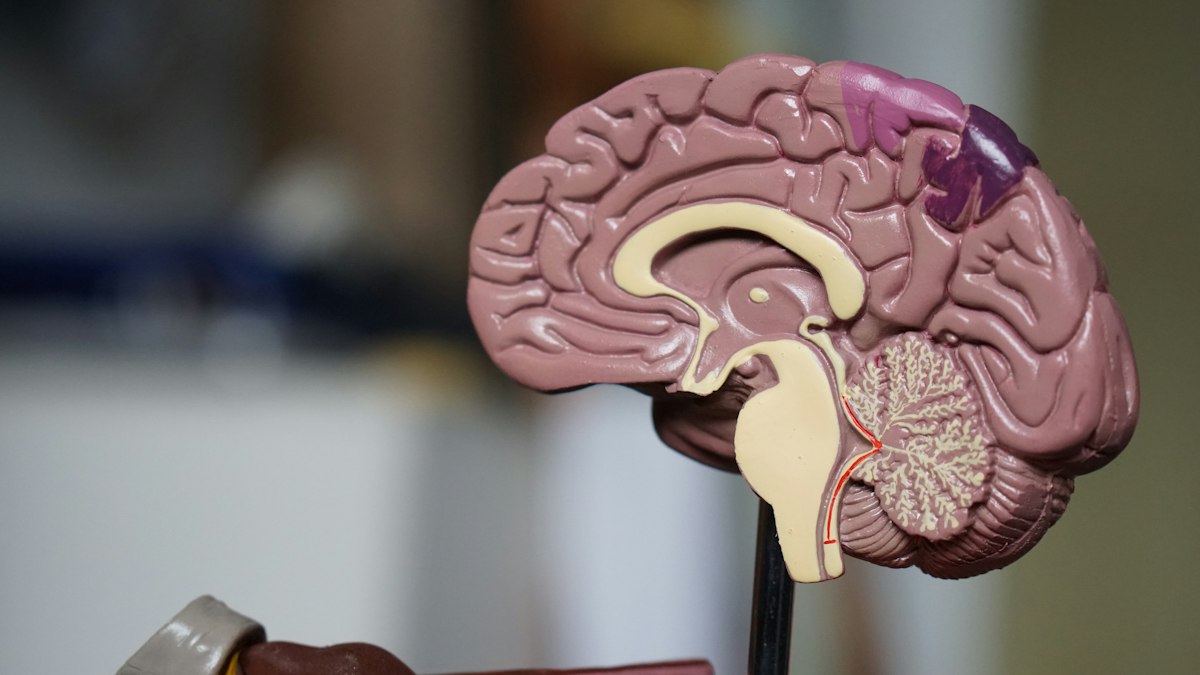
Rewires the brain's stress response. Research shows that consistent mindfulness practice increases gray matter density in the prefrontal cortex (impulse control), reduces amygdala reactivity (the threat-detection center), and supports neuroplasticity — literally changing the brain structures that addiction distorted.
Builds urge surfing capacity. The ability to observe a craving as a temporary neurological event rather than an imperative to act is perhaps the most practically valuable mindfulness skill in addiction recovery. This capacity grows with practice.
Interrupts the automatic pilot of addiction. Active addiction runs largely on automatic pilot — habitual responses to triggers that occur below conscious deliberation. Mindfulness creates the space between trigger and response in which choice becomes possible.
Supports emotional processing. Unprocessed emotions are relapse fuel. Mindfulness creates the capacity to be present with difficult emotions — to feel them without acting on them — that makes emotional regulation possible.
The Role of Purpose and Service in Long-Term Recovery
One of the most consistent findings in long-term recovery research is the role of service — helping others, contributing to community, and doing work that feels meaningful. This is one of the core insights of the 12-step tradition (Steps 10-12 focus heavily on service), and it's now supported by psychological and neuroscientific research.
Service and contribution:
- Activate the brain's social reward circuitry in ways that can substitute for substance-based reward
- Create identity coherence — "I am someone who helps people" is a powerful recovery identity
- Provide structure, purpose, and connection — three of the most powerful protective factors against relapse
- Generate the sense of efficacy and mattering that addiction had stripped away
For many people in recovery, the eventual desire to give back — to become a counselor, sponsor, peer specialist, or community advocate — emerges organically as recovery deepens. This is not accidental.
Spirituality and Religion in Recovery: A Personal Journey
For some people, spiritual or religious practice is a core element of recovery. For others, it's irrelevant or actively counterproductive. Both are valid. Recovery is not religious, and it is not anti-religious.
What the research shows:
- For people with existing religious or spiritual beliefs, integrating those beliefs into recovery — through prayer, meditation, community, and meaning-making frameworks — is associated with better outcomes
- For people without religious beliefs, secular frameworks for meaning, community, and transcendence (nature, art, philosophy, humanism) serve similar psychological functions
- Forced spiritual programming — requiring participation in explicitly religious activities — is associated with worse outcomes in people who don't hold those beliefs
This is why Speranza Behavioral Health supports clients' individual spiritual journeys without mandating any particular framework, and why we support both 12-step and SMART Recovery participation depending on the client's preferences.
Building a Life With Meaning in Recovery
Practical steps toward meaning-building in recovery:
- Identify what you care about — Values clarification: what kind of person do you want to be? What matters most?
- Set meaningful goals — Not just sobriety goals, but life goals: relationships, career, creative expression, contribution
- Practice daily mindfulness — Even 10 minutes per day produces measurable neurological change over time
- Engage with community — Recovery community, spiritual community, or any community built around shared values
- Consider service — Sponsoring, peer support volunteering, or any form of contribution to others
- Pursue therapy that addresses meaning — ACT (Acceptance and Commitment Therapy) specifically targets values-aligned living
Speranza Behavioral Health supports the whole person in recovery — not just the clinical dimension. Call (866) 814-0126 for a free assessment.
Related Reading:
Related Treatment Programs at Speranza
Explore the evidence-based treatment programs at Speranza Behavioral Health in Woodbury, NJ.
About the Author
Brittany Kowalski
Brittany Kowalski is a licensed clinical social worker (LCSW) and behavioral health advocate at Speranza Behavioral Health in Woodbury, NJ. With over a decade of experience in addiction recovery and mental health treatment, she specializes in dual diagnosis care, trauma-informed therapy, and evidence-based outpatient programs serving South Jersey communities.
Ready to Talk to Someone?
Our compassionate team in Woodbury, NJ is available now. No judgment, no pressure.