Suboxone Treatment in South Jersey: What It Is, How It Works, and How to Get Started

Suboxone Treatment in South Jersey: What It Is, How It Works, and How to Get Started
If you're searching for Suboxone treatment in South Jersey, you're not alone — and you're asking the right question. Buprenorphine (sold under brand names including Suboxone, Subutex, and Sublocade) is the most widely prescribed and most comprehensively studied medication for opioid use disorder in the world. When combined with counseling and behavioral therapy, it dramatically improves recovery outcomes.
This guide covers everything you need to know about Suboxone in South Jersey: how it works, what to expect when starting, how long treatment typically lasts, how it's integrated into comprehensive care, and how to access it at Speranza Behavioral Health in Woodbury, NJ.
Confidential help is just one call away.
Talk to our compassionate admissions team in Woodbury, NJ — free assessment, same-day intake available.
What Is Suboxone?
Suboxone is a combination medication containing two active ingredients:
- Buprenorphine — A partial opioid agonist that activates opioid receptors enough to prevent withdrawal and cravings but with a "ceiling effect" that significantly reduces overdose risk
- Naloxone — An opioid antagonist added to deter misuse; if Suboxone is injected, the naloxone triggers immediate withdrawal
Suboxone is typically administered as a sublingual film or tablet — dissolved under the tongue once daily. The dose is individualized to the patient based on clinical response and comfort.
How Suboxone Works in the Brain
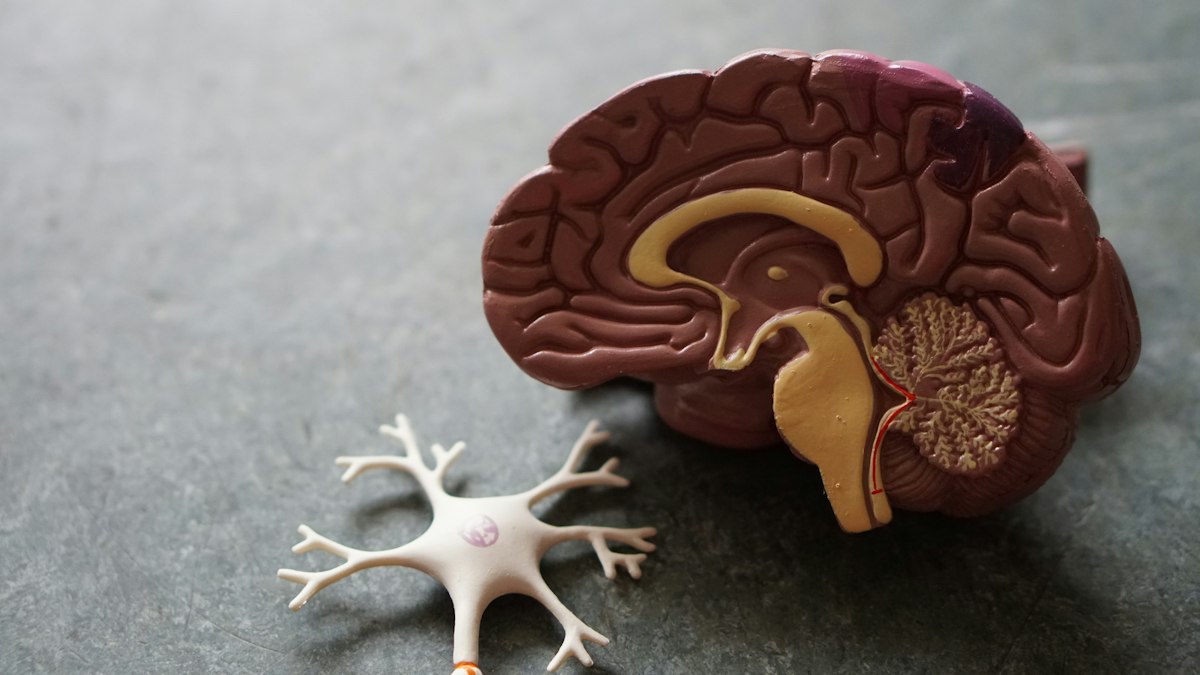
Opioid use disorder fundamentally changes how the brain's opioid receptor system functions. After extended opioid use, the brain has dramatically reduced its natural opioid receptor density and downregulated endorphin production. The result: without opioids, the person experiences a profound sense of physical and psychological misery (withdrawal) and an absence of any natural sense of well-being.
Buprenorphine resolves this by occupying opioid receptors at a therapeutic level — enough to restore a baseline of neurological function, eliminate withdrawal, and dramatically reduce cravings — without producing significant euphoria or sedation in people who are opioid-dependent.
This is why the "trading one addiction for another" claim misunderstands the pharmacology. A person maintained on an appropriate buprenorphine dose is not intoxicated — they are neurologically stable, able to function, and capable of engaging productively in therapy and recovery.
Starting Suboxone: What to Expect
Induction
Suboxone induction is the process of starting the medication for the first time. It requires that the patient be in mild-to-moderate opioid withdrawal at the time of the first dose — typically 12–24 hours after the last use of a short-acting opioid like heroin or oxycodone.
Starting Suboxone too soon (before withdrawal begins) can precipitate precipitated withdrawal — an abrupt, severe withdrawal caused by buprenorphine displacing full agonist opioids from receptors. This is uncomfortable but manageable under clinical supervision.
The induction process:
- Clinical assessment confirms readiness (appropriate withdrawal score)
- First dose administered and observed for 1–2 hours
- Dose adjusted based on response
- Follow-up within 24–48 hours for dose refinement
- Stabilization over the next 1–2 weeks to the therapeutic maintenance dose
Stabilization and Maintenance
Once at a therapeutic dose, the person should feel:
- No opioid withdrawal symptoms
- Dramatically reduced or eliminated cravings
- Neurologically stable — able to sleep, eat, work, and engage in treatment
- No significant intoxication or sedation
Maintenance doses vary widely between individuals — from 4mg/day to 24mg/day. There is no "right" dose independent of clinical response; the goal is the dose that achieves the above outcomes with the fewest side effects.
How Long Should Someone Stay on Suboxone?
This is one of the most frequently asked questions about buprenorphine treatment — and one where medical guidance has changed significantly in recent years.
Short answer: Duration should be determined by clinical need, not arbitrary timelines or stigma-based pressure to taper off.
Research data is unambiguous:
- People who discontinue buprenorphine prematurely have dramatically higher rates of relapse and overdose than those who remain on maintenance
- The first year of recovery carries the highest relapse risk — tapering buprenorphine during this period is associated with significantly worse outcomes
- For many people with opioid use disorder, long-term (multi-year or indefinite) maintenance on buprenorphine is the most appropriate medical treatment, just as a person with hypertension may remain on medication long-term
- Tapering should be guided by mutual clinician-patient decision making when the person has demonstrated sustained stability, built robust recovery supports, and expressed genuine readiness
Suboxone as Part of Comprehensive Treatment at Speranza
At Speranza Behavioral Health in Woodbury, NJ, Suboxone (buprenorphine) is offered as part of our integrated MAT program — not as a standalone prescription, but fully embedded within our PHP and IOP programs. This means:
- Our addiction psychiatrist manages prescribing, dosing, and clinical oversight
- Medication is coordinated with concurrent group therapy, individual counseling, and case management
- Urine drug screening monitors compliance and safety
- Co-occurring mental health conditions are evaluated and treated simultaneously
- The transition to lower levels of care (IOP → outpatient) is coordinated with medication management
This integrated model — medication plus behavioral treatment — consistently outperforms medication alone or behavioral treatment alone in research outcomes.
Insurance Coverage for Suboxone in NJ
Suboxone is covered by virtually all major insurance plans in New Jersey — including NJ FamilyCare (Medicaid), Aetna, Cigna, UnitedHealthcare, Blue Cross, Horizon, and AmeriHealth. Learn more about insurance coverage for addiction treatment in NJ →
Get Started with Suboxone Treatment in Woodbury, NJ
Speranza Behavioral Health serves all of South Jersey — Gloucester County, Camden County, Burlington County, Atlantic County, and beyond. Call (866) 814-0126 for a free, confidential assessment. Same-day intake available.
Related Reading:
- What Is Medication-Assisted Treatment?
- Opioid Addiction Treatment in NJ
- Heroin Addiction in South Jersey
Related Treatment Programs at Speranza
Explore the evidence-based treatment programs at Speranza Behavioral Health in Woodbury, NJ.
About the Author
Brittany Kowalski
Brittany Kowalski is a licensed clinical social worker (LCSW) and behavioral health advocate at Speranza Behavioral Health in Woodbury, NJ. With over a decade of experience in addiction recovery and mental health treatment, she specializes in dual diagnosis care, trauma-informed therapy, and evidence-based outpatient programs serving South Jersey communities.
Ready to Talk to Someone?
Our compassionate team in Woodbury, NJ is available now. No judgment, no pressure.
- What Is Suboxone?
- How Suboxone Works in the Brain
- Starting Suboxone: What to Expect
- Induction
- Stabilization and Maintenance
- How Long Should Someone Stay on Suboxone?
- Suboxone as Part of Comprehensive Treatment at Speranza
- Insurance Coverage for Suboxone in NJ
- Get Started with Suboxone Treatment in Woodbury, NJ